
How Shrimp Farming Is Transforming Punjab’s Salty Wastelands

Nikhil

Moderator
Staff member
Joined
Dec 8, 2007
Messages
4,563
Points
113
Location
Hyderabad

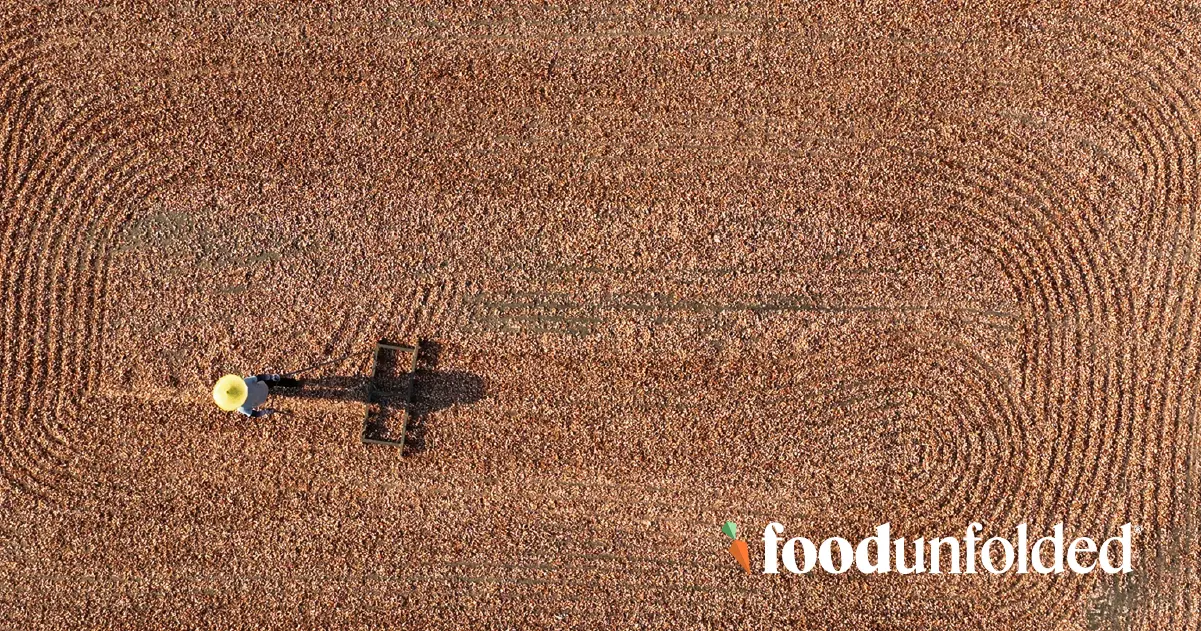
In the heart of landlocked Punjab, hundreds of kilometres from the coast, farmers are raising a sea species: shrimp. This film follows Lakhwinder Singh, the first shrimp farmer in his district, and the neighbours who adopted his experiment, as they turn saline, “barren” soils into productive aquaculture ponds. Land that could not grow wheat, rice or even fish now produces a valuable crop. The work is demanding. Ponds are dug and prepared, water is filled and monitored, salinity is managed, and feeding happens several times a day. Minerals and medicines are added when needed, and farmers keep watch through the night.

The gains are striking: harvests worth crores, steady work for local youth and exports to Europe, the USA and Asia. But this success is fragile. Prices fluctuate, tariffs hurt, diseases can destroy stock overnight. This is a story about risk, reinvention and what it takes to farm the sea, far from any shore.

.
 
These are sea shrimps and need salt water?
They are adding large quantities of salt to fresh water in the shrimp ponds presumably.
While short term benefits of a few years of bumper harvests would be happy news for these farmers the long term impact on the land and water there could be serious.
The shrimp farming industry also uses unregulated use of antibiotics and extensive use of DNA PCR lab support as the shrimps are vulnerable to viral infections. The phrase used “managed salinity” glosses over permanent salinisation of the land and ground water the progressively increases over time.
The impact of shrimp farming in coastal areas where sea water is pumped in for these ponds has been extensively studied over the past two decades and are concerning. Many of these studies are available online for us to read and reach our conclusions.
 
In Mumbai too we do get to see a lot of fresh water shrimps from farms which sell a lot. The issue with shrimp farming from what I have heard is that it renders that area of land uncultivable in future for any crop should it fail to fetch any profits.
 
These are sea shrimps and need salt water?
They are adding large quantities of salt to fresh water in the shrimp ponds presumably.
While short term benefits of a few years of bumper harvests would be happy news for these farmers the long term impact on the land and water there could be serious.
The shrimp farming industry also uses unregulated use of antibiotics and extensive use of DNA PCR lab support as the shrimps are vulnerable to viral infections. The phrase used “managed salinity” glosses over permanent salinisation of the land and ground water the progressively increases over time.
The impact of shrimp farming in coastal areas where sea water is pumped in for these ponds has been extensively studied over the past two decades and are concerning. Many of these studies are available online for us to read and reach our conclusions.
The water in these lands (in the video) are saline and unsuitable for normal cultivation. These are generally taken up on land that is arid. But as with all things, it's never good when done to extremes.

It is mentioned in the video that farmers have to avoid overseeding the tanks as that ends up with them having to deal with additional costs due to the having to use more additives to take care of the excess prawns.

.
 
What an alarming state. Punjab - the land of fertile soil and fresh water turning saline! Is over irrigation one of the culprit? Hopefully, this should serve as a wakeup call to prevent further soil and fresh water degradation. And Organic cultivation with re-forestation.
 
What an alarming state. Punjab - the land of fertile soil and fresh water turning saline! Is over irrigation one of the culprit? Hopefully, this should serve as a wakeup call to prevent further soil and fresh water degradation. And Organic cultivation with re-forestation.
Cultivating only cash crops spoils the eco system... Now dumping more salt make the soil infertile.
 
Cultivating only cash crops spoils the eco system... Now dumping more salt make the soil infertile.

Have you seen the video? The land has saline water which is not suitable for growing crops.
They are using the saline water in a way that allows them to utilize what would be otherwise barren land.

.
 
Have you seen the video? The land has saline water which is not suitable for growing crops.
They are using the saline water in a way that allows them to utilize what would be otherwise barren land.

.
Yes, saw the video.. there are other ways to make barren land fertile again. I see that is not the owners goal. He want to make earning, so he switched from wheat farming to prawns farming.
 
Yes, saw the video.. there are other ways to make barren land fertile again. I see that is not the owners goal. He want to make earning, so he switched from wheat farming to prawns farming.

In this area they are using land that they cannot farm as the water is saline. They are not converting fertile farm land.
In any case any kind of farming requires to be done with care and these people appear to be doing their work in a responsible manner.

.
 
Wharfedale Linton Heritage Speakers in Red Mahogany finish at a Special Offer Price. BUY now before the price increase.
Back
Top