Dual shielded 3 core 4mm sq power cable

balavignesh002

Well-Known Member
Joined
May 27, 2016
Messages
612
Points
93
Location
Madurai
I always thought of doing a very good quality DIY power cable. Out of all my cable builds this is the easiest one unless I make it more complex one.

After looking around for good quality shielded power cables, I understand this is going to be costlier than speaker cables what I did diy earlier.

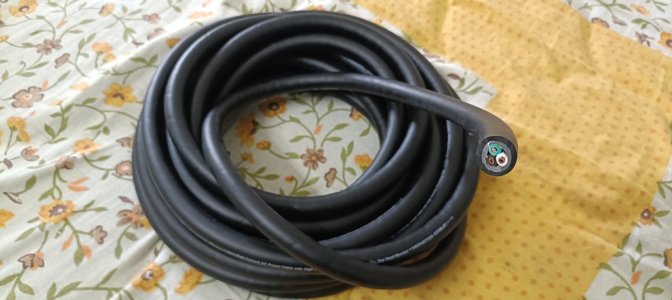
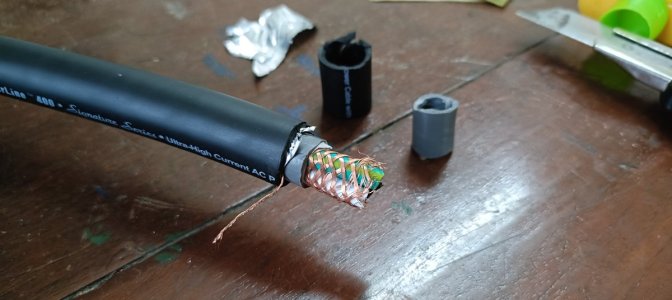
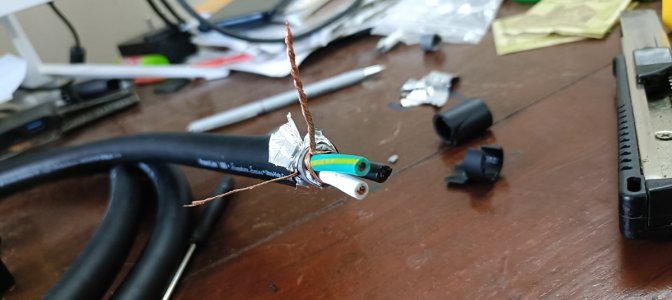
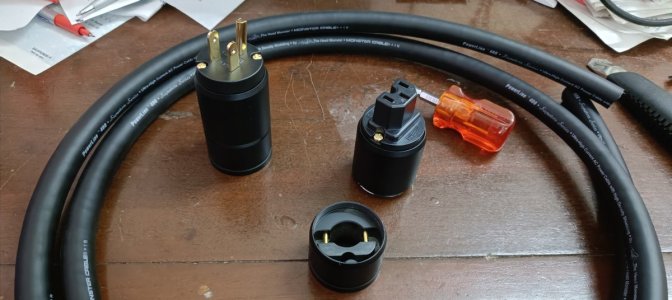
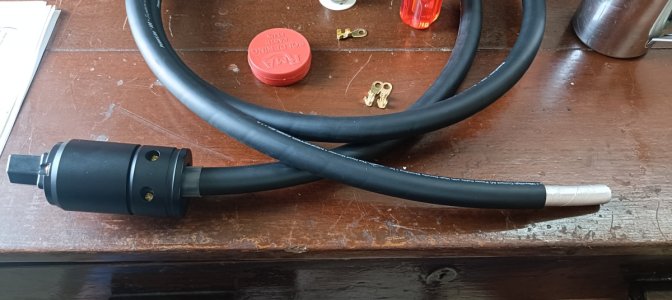
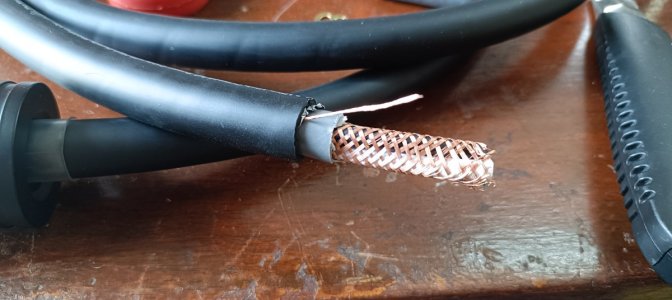
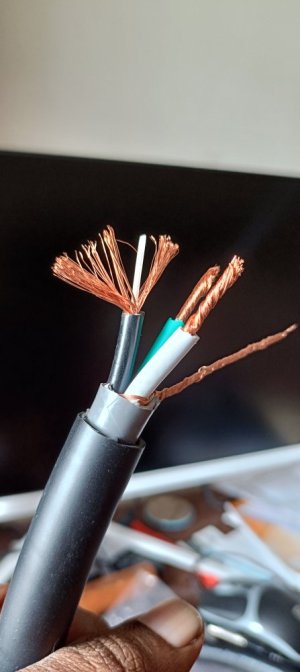
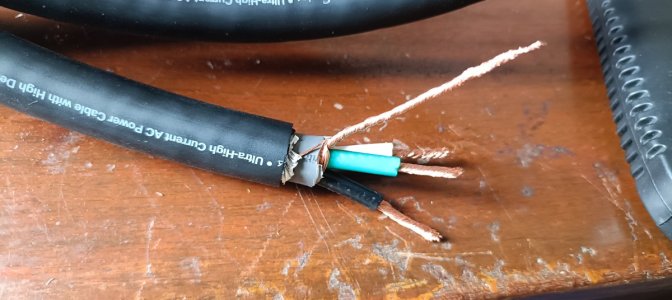
Finally decided to import the below cable of 10 meters length. It's Monster signature series with lead Aluminium foil as outer shield and braided copper as internal shield. The cable is 15mm on diameter.1000054545.jpg1000054547.jpg
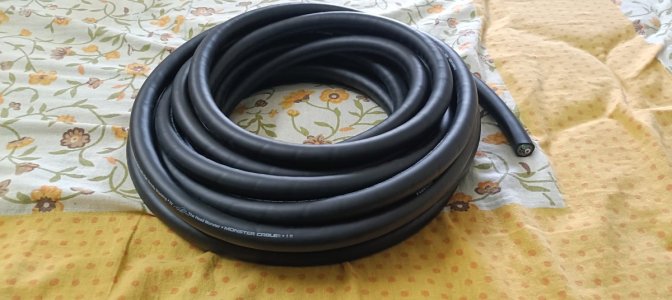
 
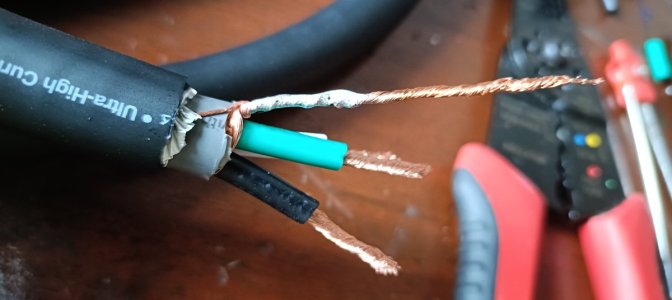
This cable is 15 mm diameter, outer is soft silicone jacket, followed by lead Aluminium foil with a drain wire, then grey pvc jacket followed by a copper braiding then 3 x 4mm copper conductor with FR insulation.
1000054893.jpg
1000054894.jpg

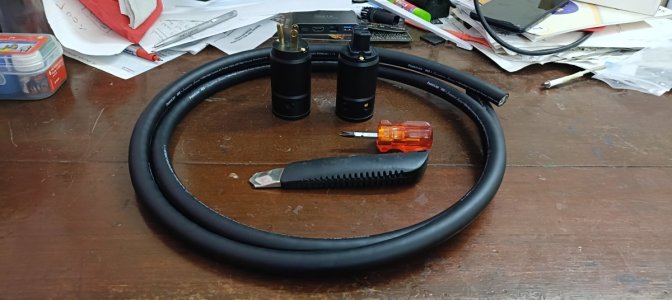
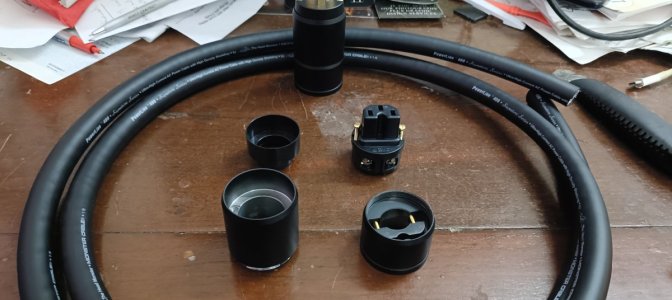
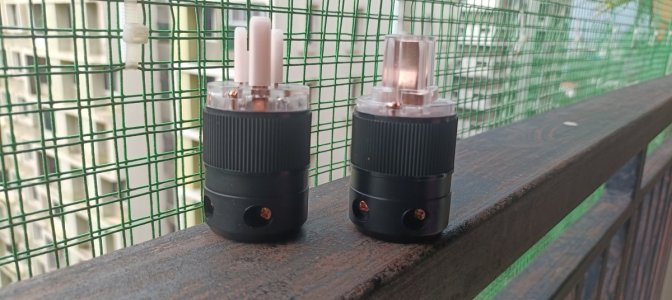
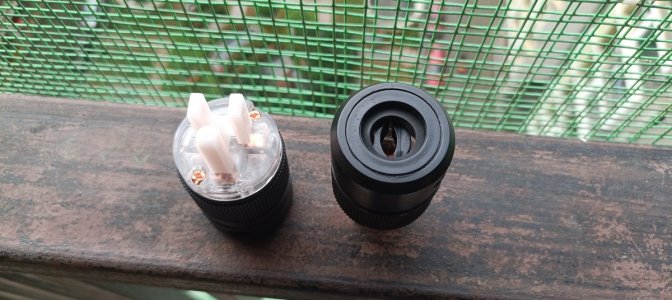
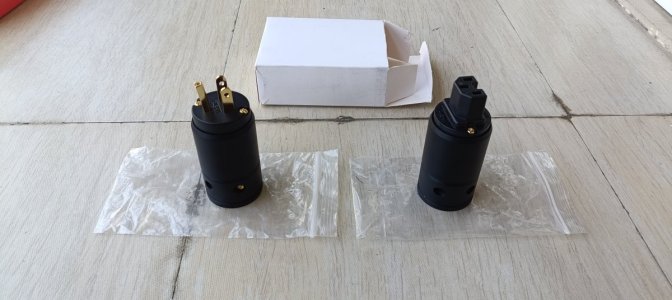
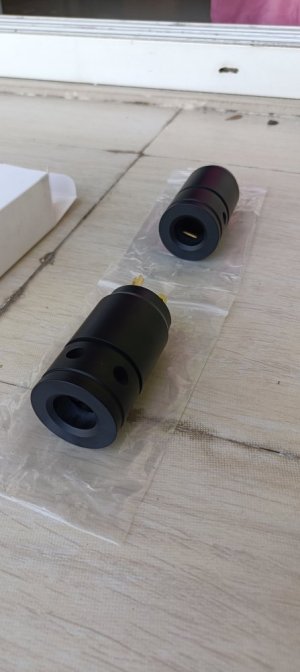
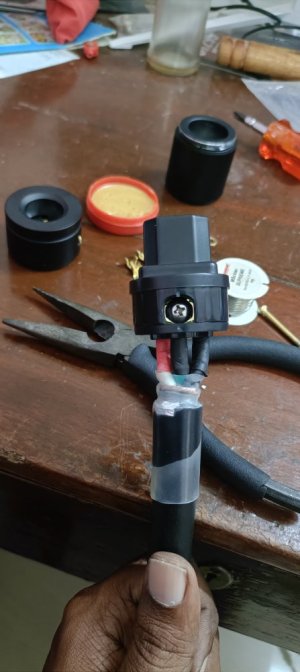
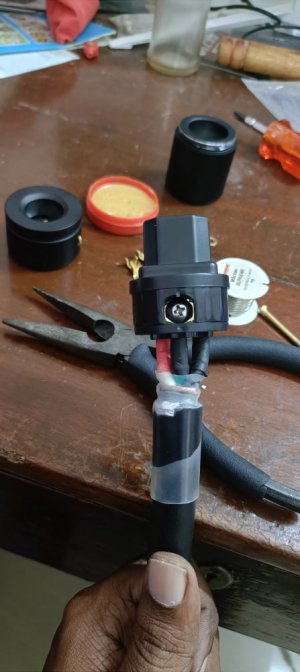
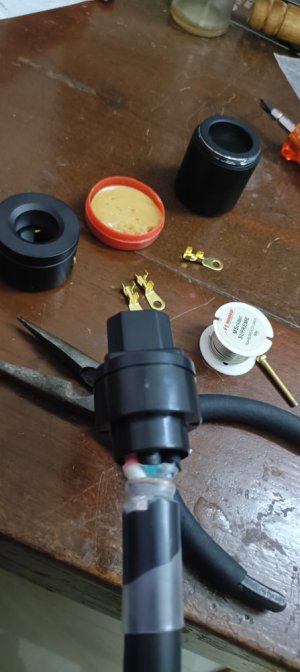
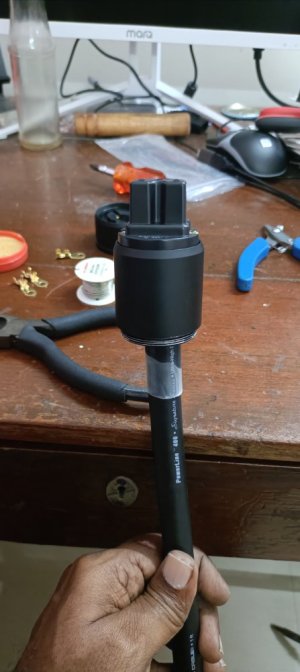
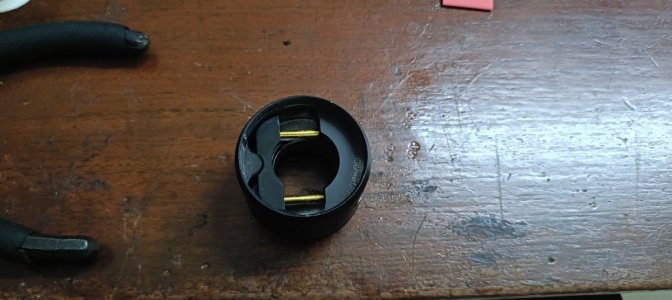
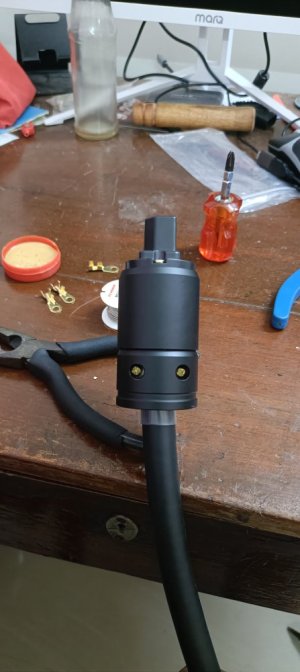
Planing to use to use gold plated pure copper with aluminium shielded US and IEC connector this ca accept up to 20 mm cable.1000054890.jpg1000054891.jpg1000054892.jpg
This socket will be good to connect with cables on ring terminal i assume. Let me think through it, have ordered for ring terminal connectors. Will post further updates.
 
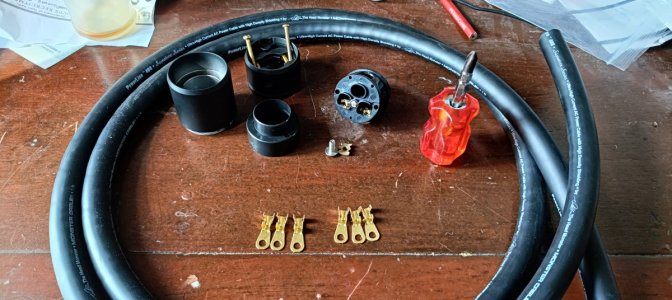
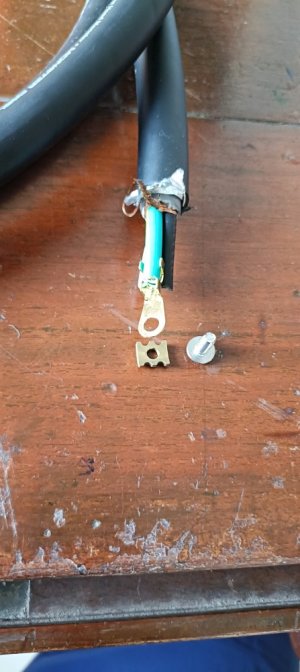
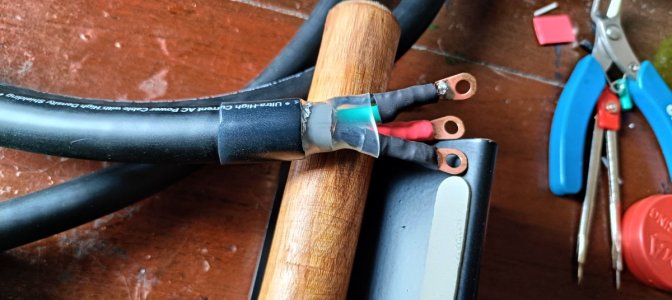
Finally the gold plated copper ring terminals for connecting the conductor have arrived this way the contact can be secured in the clamp of power plugs.

1000056917.jpg

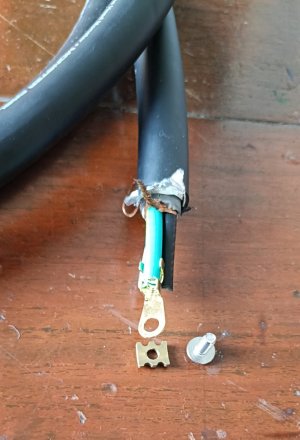
Fits perfectly in the wire aswell as the clamp and screw

1000056919.jpg

Just looking for one suggestion, should only I crimp it or solder it or both?
 

Attachments

  • 1000056918.jpg
    1000056918.jpg
    85.9 KB · Views: 6
Finally the gold plated copper ring terminals for connecting the conductor have arrived this way the contact can be secured in the clamp of power plugs.

View attachment 94051

Fits perfectly in the wire aswell as the clamp and screw

View attachment 94059

Just looking for one suggestion, should only I crimp it or solder it or both?
Crimp and solder. The solder helps holding all individual strands together and hence helps maintain the low CD resistance. Crimp around the sleeve so that a good strain relief is provided and wires don't break on cable movement
 
1000056981.jpg1000056988.jpgCrimp and solder
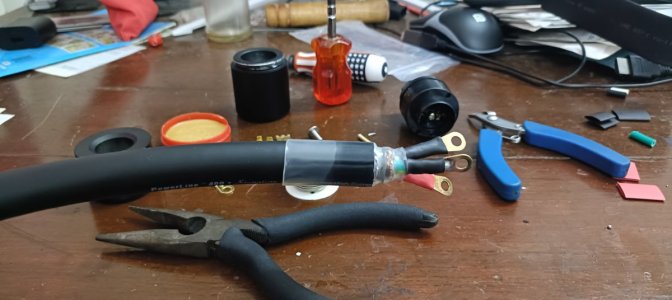
This is what I thought also to be the best solution. Just did the crimp and soldering and insulated with heat shrink.

1000056970.jpg
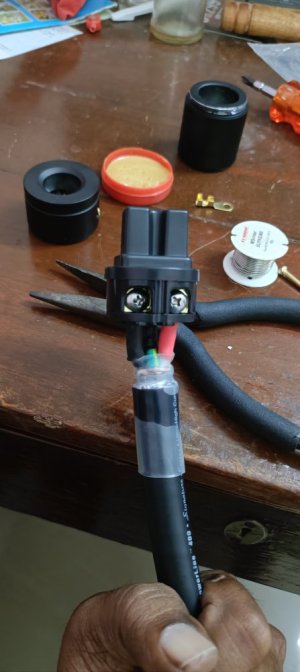
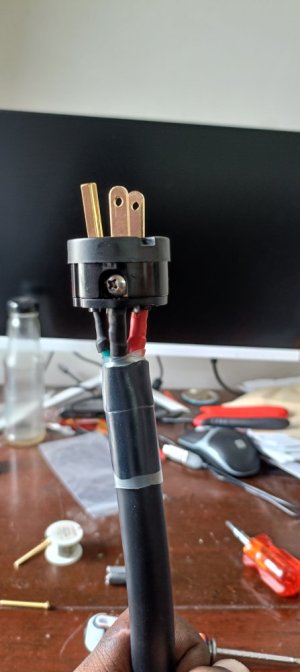
Clamped the terminals in respective slots, not an easy task for me for the first time. Should have given more lose wires to bend and insert easily. But managed to slot them fine and fastened the screws tight.1000056980.jpg1000056980.jpg
Laced the inner cover and fastened the aluminium shield.1000056982.jpg1000056983.jpg

1000056986.jpg

There is a dedicated cable fastner to secure the cable. This is also all aluminium1000056987.jpg

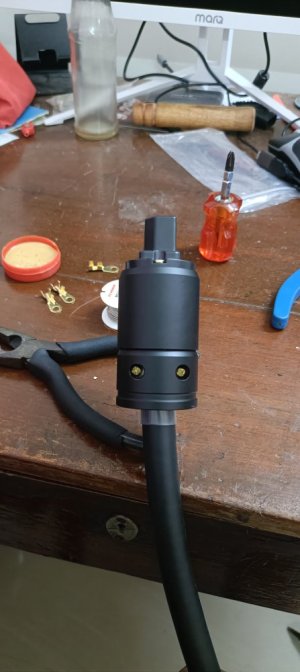
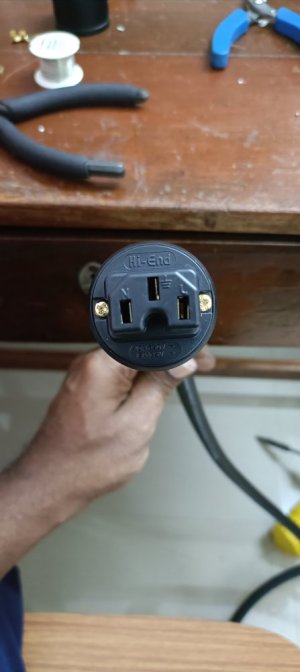
Here is the finished one end.1000056988.jpg
1000056990.jpg
 
Making the source side of cable with grounding the lead wire of aluminium outer shielding and copper braid inner shield.1000057047.jpg
1000057048.jpg1000057140.jpg
1000057146.jpgsoldered the drain wire and braid shield
1000057147-jpg.94100
cable ready to be bolted on the plug terminals
1000057164.jpg1000057227.jpg

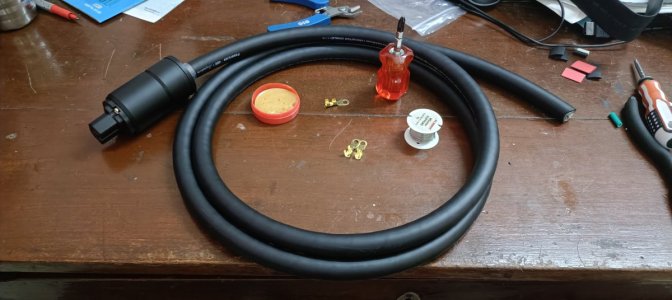
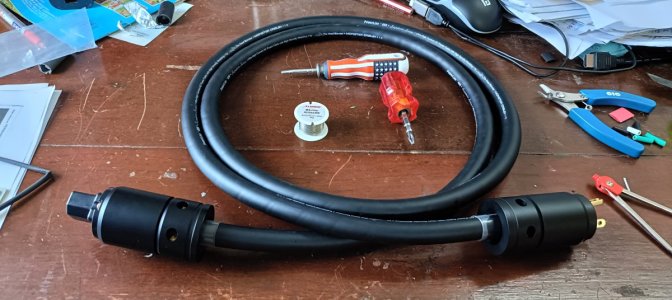
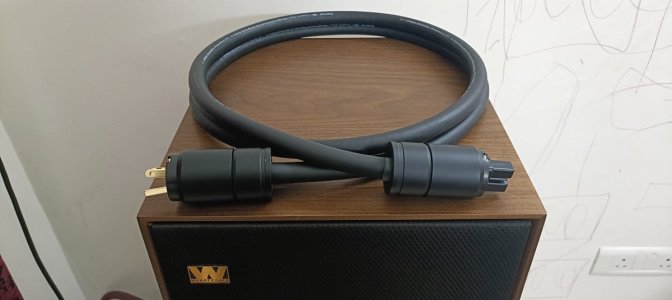
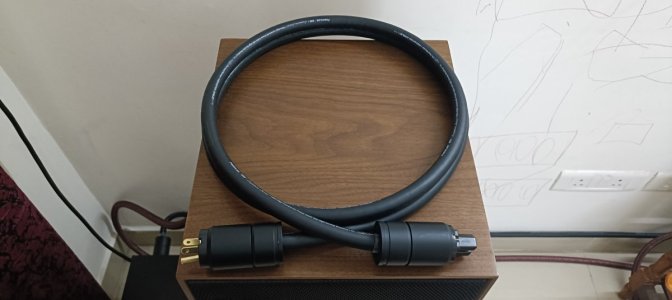
Fully made cable, looks massive. Eager to listen but have to make one more cable for CDP. Will keep posted.

1000057228.jpg
 

Attachments

  • 1000057147.jpg
    1000057147.jpg
    72.3 KB · Views: 99
Lovely DIY, but my experience is that without proper support really heavy/stiff power cables tend to pop out of the socket at the back of the equipment. Have always needed some kind of 'juggad' to keep the connection tight.
 
Lovely DIY, but my experience is that without proper support really heavy/stiff power cables tend to pop out of the socket at the back of the equipment. Have always needed some kind of 'juggad' to keep the connection tight.
Yes, that’s why opted for heavy high quality terminal's. You can notice the ground pin tilted to fasten or hod the socket strong
 
Crimp and solder. The solder helps holding all individual strands together and hence helps maintain the low CD resistance. Crimp around the sleeve so that a good strain relief is provided and wires don't break on cable movement
You need a 60 or 80W soldering iron for all the strands of a 4 sq.mm cable to get soldered properly.

Strain relief from cable movement can be provided by a cable gland or the compression ring in the sockets / plugs not the lugs - can they?
 
Wharfedale Linton Heritage Speakers in Red Mahogany finish at a Special Offer Price. BUY now before the price increase.
Back
Top