A 2way speaker with Peerless NE180-8 and SB26CDC/ADC

Vineethkumar01

Well-Known Member
Joined
May 19, 2015
Messages
591
Points
93
Location
Bangalore
I am exploring a 2/2.5 way speaker design with the Peerless NE180-8 midwoofer and an SB26ADC/CDC tweeter. It started out as a 2-way speaker design for a friend. But he has moved on to other designs. So, I am considering building it anyway and experimenting with it.

There are a few 2-way designs available on the net with this woofer, like this one: https://ampslab-spk.com/2020/12/04/rosefinch/
I really like the Satori midbass driver-like looks of this midwoofer. It also has a good enough output capability for a small room and has been praised by many on DIYudio. So why not try it out.. :) I have high hopes for this speaker... :D

The 2-way speaker has the form factor of a bookshelf speaker. Later, if this turns out well, I will try out a separate 2.5-way design that uses a pair of NE180-8 per side in a tower format.

This speaker is supposed to have a passive crossover and versions with/without custom designed waveguides for the tweeter
 
Before we jump into technical details, here are the approximate cost calculations for the drivers alone for a pair of these speakers

2 x NE180-8 midwoofers will cost Rs 16000/- (https://electrocarts.in/product/peerless-by-tymphany-ne180w-08-6-1-2-fiber-cone-woofer-speaker/)
2 x SB26ADC tweeters will cost Rs 10400/- (https://audiofy.in/products/sb-acou...j3HqKBqb69nBrC1ypNVyJAsrSjGfjOrPQPndDfBgiZvJN)

So, excluding any shipping charges, the drivers will cost Rs 26,400/-.
I have these drivers in hand from a few years back.
 
Here are the specs of a bass reflex cabinet with 15L volume for this driver

1758204051858.png
1758204060762.png

SPL curve with inductance roll of at higher frequencies modeled as per VituixCAD
1758204068395.png
 
Now that we have some ideas for the woofer box alignment, it is time to focus on the tweeter and the waveguide for it.
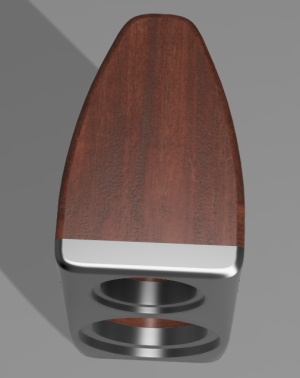
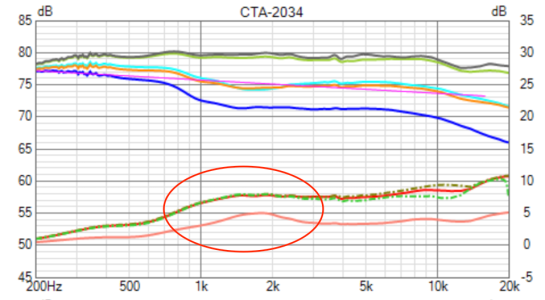
My goal was to enable a smooth transition in directivity between the tweeter & woofer around the crossover point. It is easier to make the directivity curve very flat with this tweeter upto about 10kHz or so and thereafter it quickly rises up. But I chose not go down that path and let the tweeter directivity gently as the frequency increases. This will determine the waveguide size and the profile curve.
A friend gave me full polar measurements of the woofer in a 21cm wide box. So I had atleast some actual data to play around with the waveguide simulated polars.

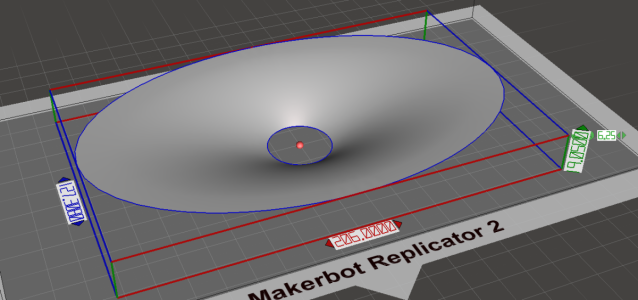
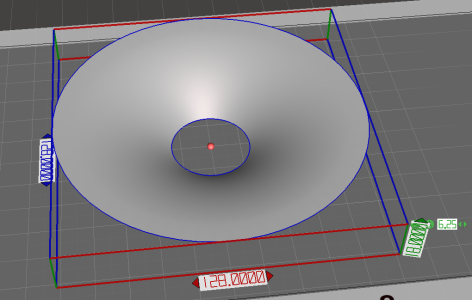
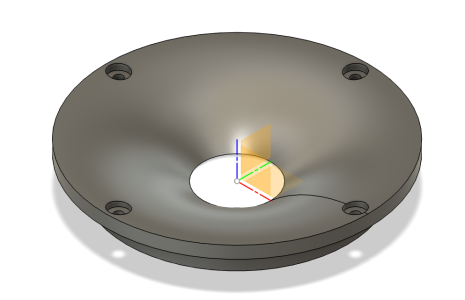
Here are a few iterations of waveguides

1) The ultra flat DI version of waveguide
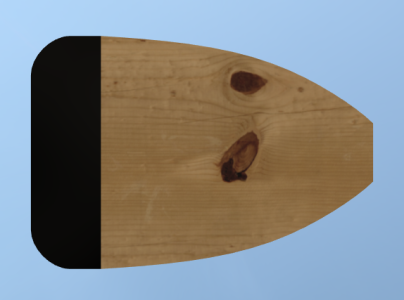
Cabinet is 244mm wide with 18mm roundings on sides:

1758385877346.png
1758385887115.png
1758385897630.png

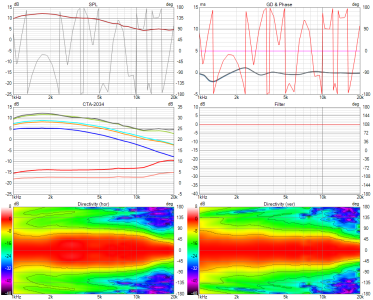
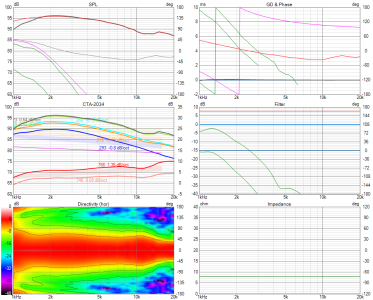
A possible system polars with crossover (NE180 polars and waveguide polars combined with a hypothetical crossover)
1758385974899.png

1758386105329.png
Since I was not completely convinced with the directivity step around 1kHz and because friends over at diyaudio called my attention to it, I thought of making a differently sized waveguide
 
I think I finally found something I liked :)

1758386410156.png
Waveguide polars
1758386338444.png

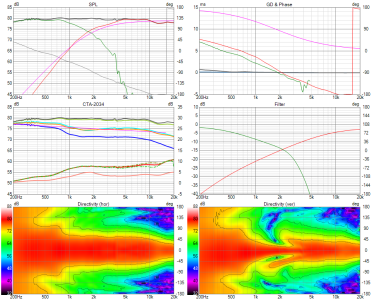
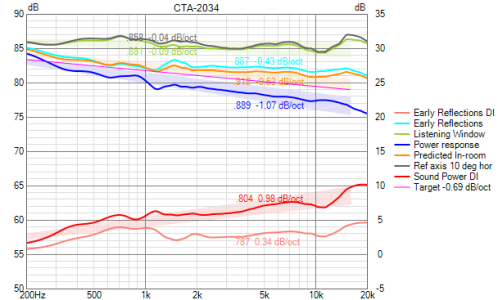
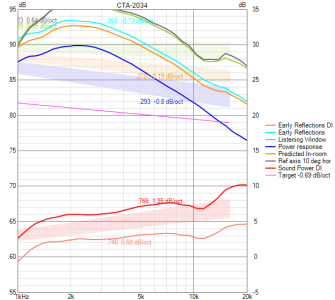
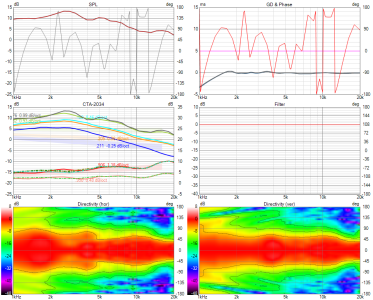
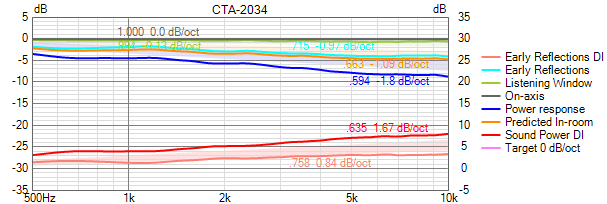
Full system Spinorama curves
1758386269011.png

Note that here the CTA curves have slopes falling in a certain recommended regions indicated by the light colored highlighting around the curves
 

Attachments

  • 1758386316755.png
    1758386316755.png
    62.5 KB · Views: 2
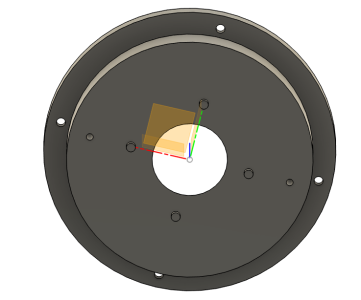
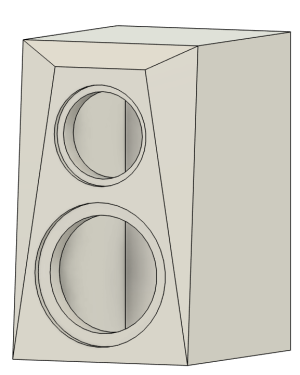
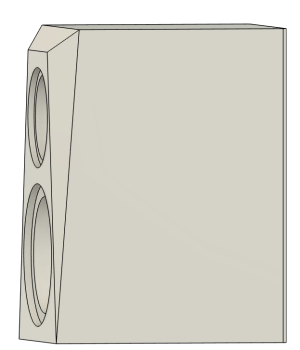
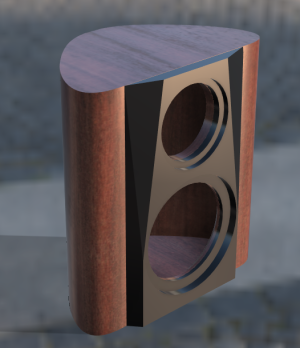
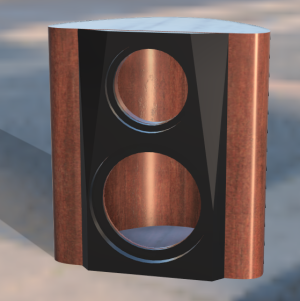
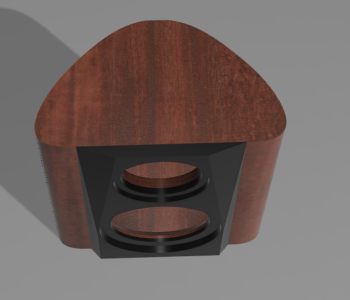
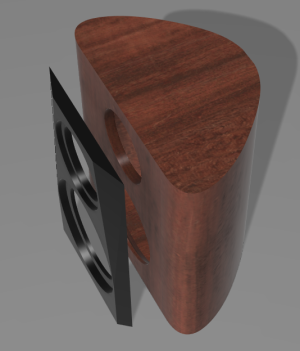
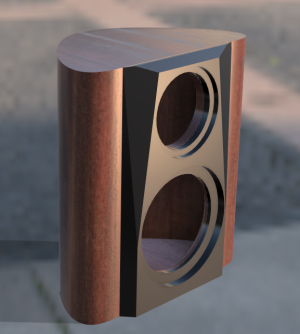
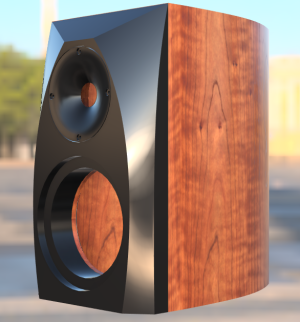
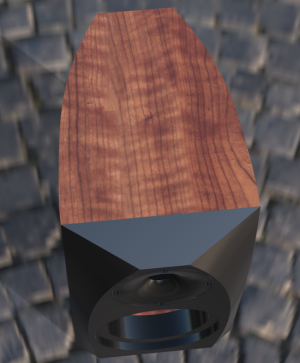
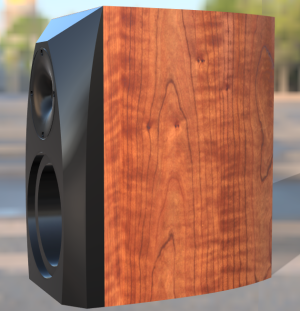
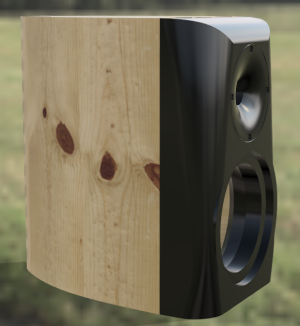
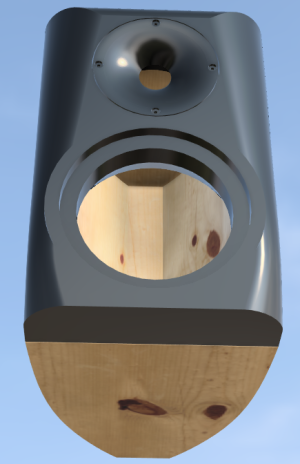
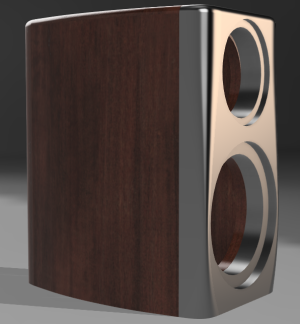
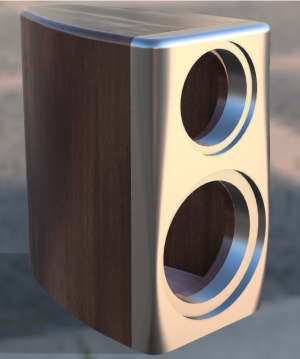
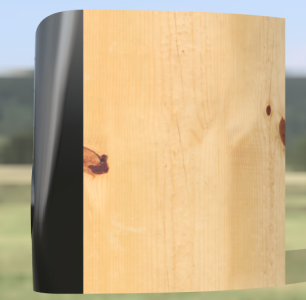
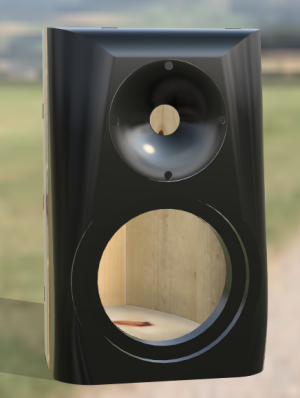
Ok.. So here are some renders of a version of the cabinet I really really liked..
Inspiration from Sonus faber, JBL K2 and a whole lot of similar speakers..

It is about 33 cm wide at the widest point, 40cm in height, and about 20cm in depth at the deepest point
Cabinet volume is approx 13L

1758460049222.png
1758460056698.png
1758460083631.png

Two part baffle
1758460155694.png
 
Sadly, all beautiful looking boxes are not good for speaker cabinets,
Here is a simulation showing what a mess the step changes in cabinet profile near to baffle can do to tweeter radiation even with waveguide
1758645911066.png
1758645920088.png
 
Vineeth, Any reason the tweeter waveguide is not same size as woofer?
So, with a waveguide of the same size as that of the woofer, especially constant'ish' directivity type, the DI initial climbs because of the midbass cone and size and then flattens where is joins the waveguide. There is a school of thought which says does not recommended such a directivity profile for relatively farfield listening. Here is an example from the Neumann KH120 speaker

Many speakers have this directivity step in their spinorama data.. Some of my speakers also have this kind of DI curve.

My objective was to avoid the step and let it rise as smoothly as it can. So the waveguide looses directivity at a higher frequency, the woofer starts beaming enough and the joining of these two with an in phase crossover will give a smooth DI curve.. or so is the hope.. :)
 
I always think you spend too much money on inquiries but I will defend your right to go wild :) Better shape.

Presumably you're 3-D printing a bezel and the WG and getting curvy veneered bling outsourced, but if you haven't heard the drivers before, big bevels (flats) both sides and top -- at least 2.5" -- and your foam skills can get you auditioning and measuring fast. FWIW.

Thanks for posting and carry-on, you wildman!
 
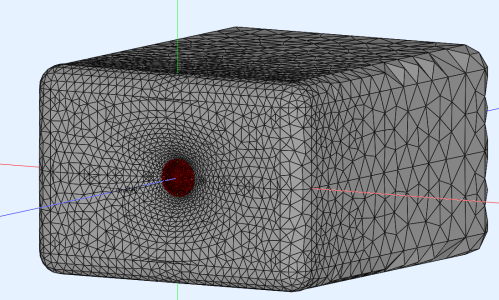
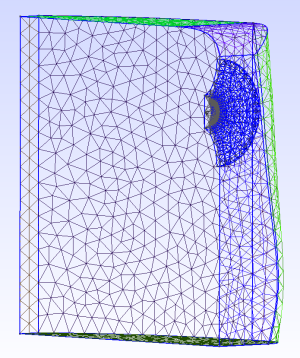
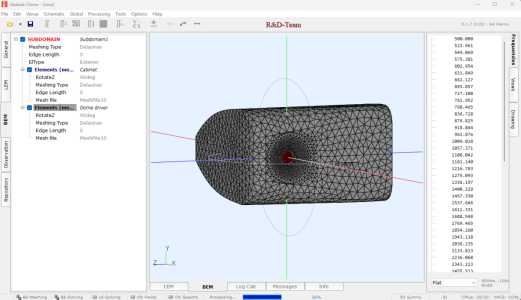
Before I finally go ahead with the build, I took some time to do detailed Akabak simulations of the waveguide in this final cabinet
For that, here is the process

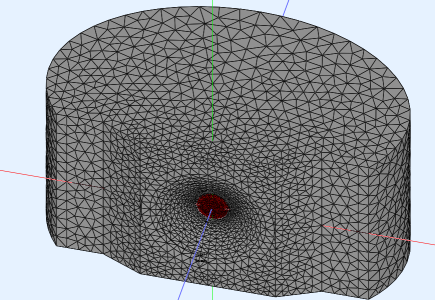
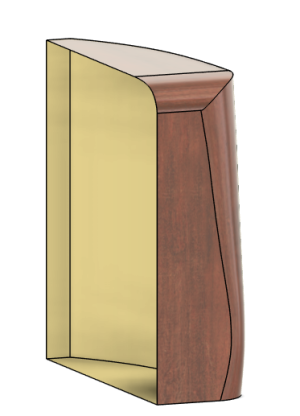
1) Stripping down the cabinet to surfaces with only essential features
1759553283470.png

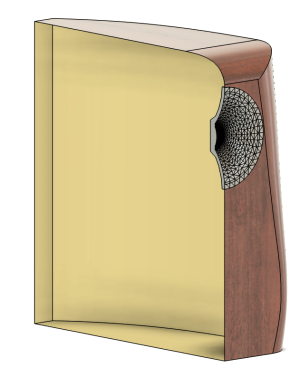
2) Integrating the waveguide with it
1759553303127.png

3) Meshing the whole thing
1759553323835.png

4) Doing sims in Akabak in half symmetry
1759553360819.png

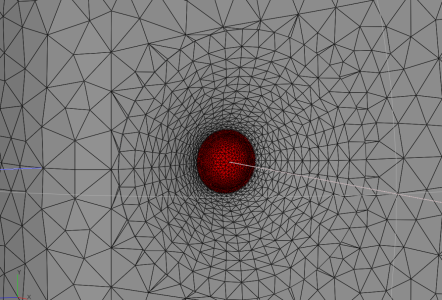
Dome driver modeling of the SB26ADC/CDC using actual dimensions
1759553392403.png

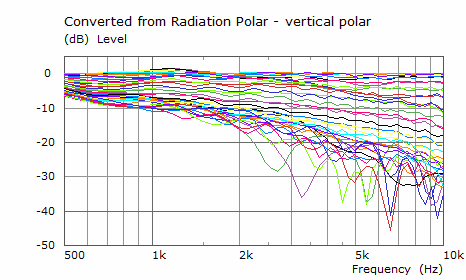
5) Generating horzontal and vertical polars
1759553425268.png
1759553431647.png

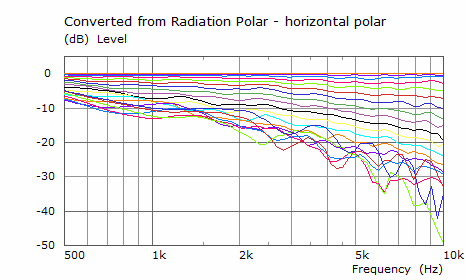
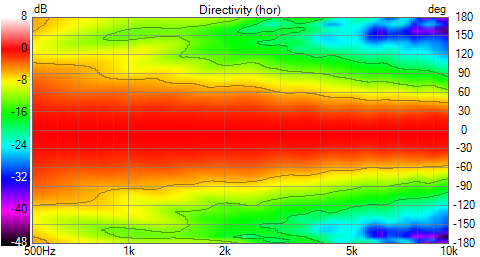
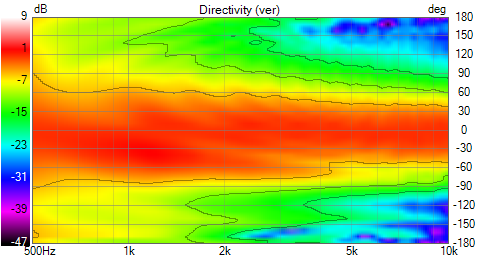
6) Converting everything into a more easily visualizable format
1759553461164.png
1759553466566.png
1759553472316.png

We have good directivity control down to 1kHz.
The cabinet shape and depth help extend the usable directivity control of the waveguide from 2.6kHz (128mm diameter waveguide) down to 1 to 1.3 kHz. It is an octave more of directivity control for free.. :)
I am very happy with the way things are looking now.. :)
 
Wharfedale Linton Heritage Speakers in Walnut finish at a Special Offer Price. BUY now before the price increase.
Back
Top